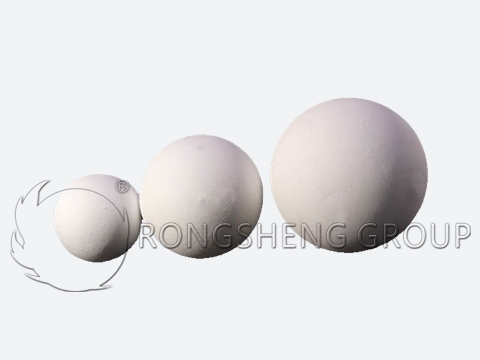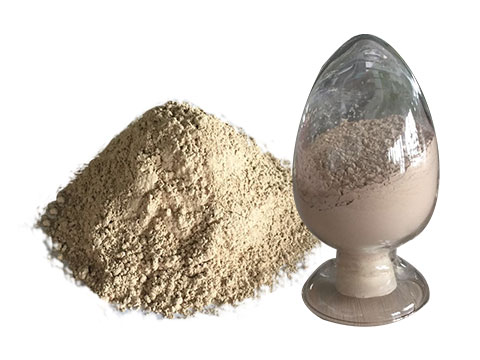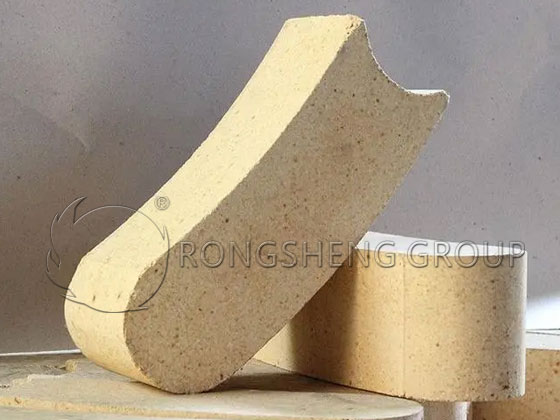
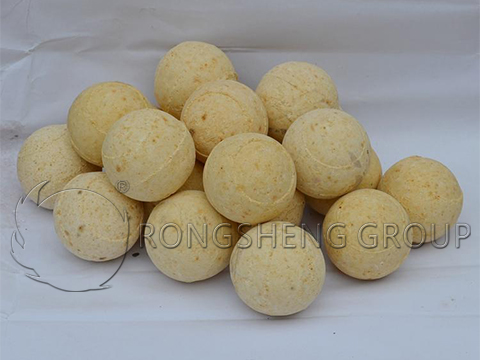
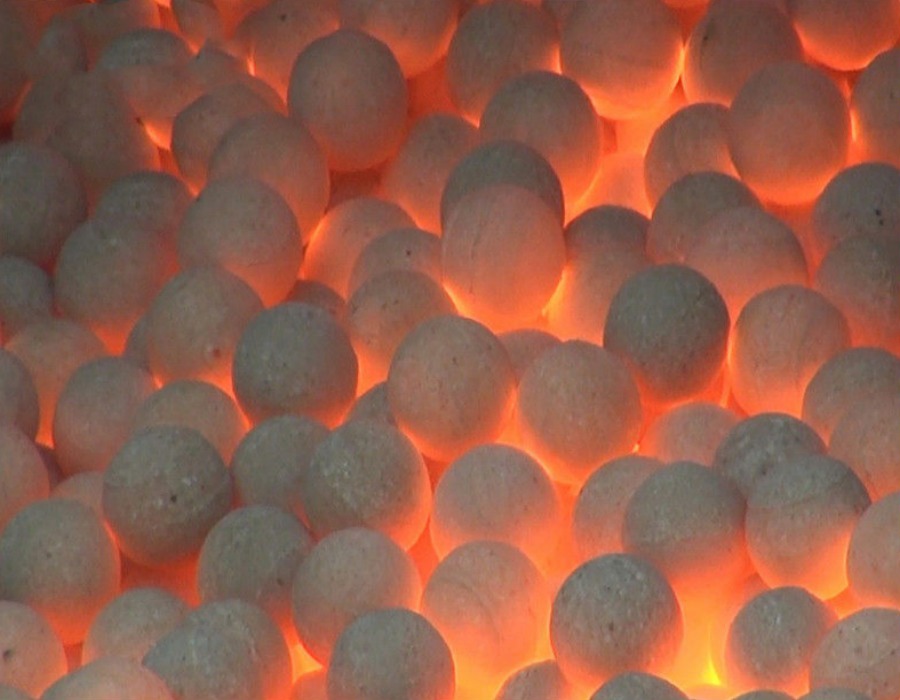
Refractory balls are characterized by high strength, good thermal shock resistance, large surface area for use as heat storage bodies, and low resistance. They can also be reused multiple times and have a long service life. RS High Alumina Refractory Balls are available directly from the manufacturer at competitive prices. Contact Rongsheng for free samples and quotations.
Usage Ratio of Refractory Balls
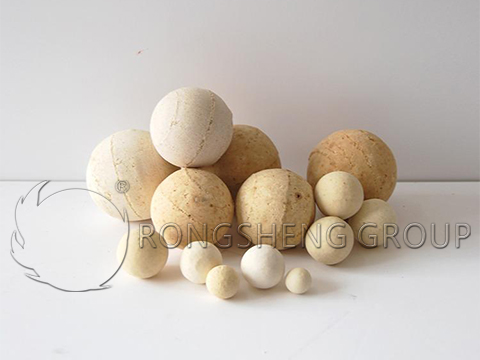
The most commonly used refractory balls are those with a diameter of 50mm and 60mm, primarily used for hot blast stove heat storage bodies. Balls with diameters of 20mm and 30mm are used only for filling. There are also refractory balls with a diameter of 80mm, or corundum balls, used in the upper part of the hot blast stove heat storage body. However, the usage ratio of corundum refractory balls is not high.
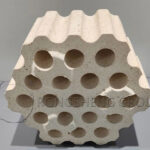
Refractory balls with a refractory content of 65% are generally used because of the large amount of heat storage material used in hot blast stoves. However, currently, hot blast stoves with a capacity of over 550 cubic meters mostly use perforated bricks, while stoves with a capacity of less than 450 cubic meters use refractory balls more often.
How to Choose High-Quality Refractory Balls for Heat Storage?
Refractory balls have a long service life, are easy to replace, and are relatively inexpensive. But how do you choose the right ones?
First, look at the appearance of the balls. If they are white or red, the sintering temperature hasn’t been reached, and these balls should not be used. Because the required specifications are not met, they are prone to clumping together, with hundreds of balls sticking together, affecting the ventilation of the heat storage. If the color is yellowish-white and has a crystalline phase, it indicates a high sintering temperature. The strength is good, and the thermal shock stability is good.
Next, check if they are handmade or machine-made. Generally, refractory balls with a diameter of less than 40 mm are handmade because molds cannot form them. However, for refractory balls with a diameter of 50 mm or more, handmade balls are not as strong as machine-made balls, and their appearance is less uniform. Machine-made refractory balls have a more obvious central line, which is the mold line. Handmade balls have no line or the line is less noticeable.
Furthermore, check if there are any black iron-containing substances adhering to the surface of the refractory balls. If present, it could be due to impurities in the raw materials, or it could be caused by the furnace shell adhering to the furnace wall during sintering. Refractory balls adhering to their surface should not be used.
Main Uses and Applications of Refractory Balls
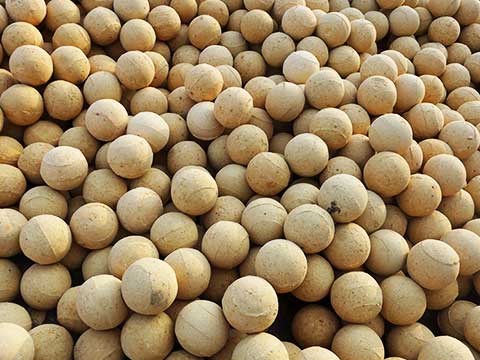
Refractory balls are an important refractory material widely used in various high-temperature industrial furnaces and kilns. They possess advantages such as high-temperature resistance, wear resistance, and resistance to chemical corrosion, maintaining stable performance even in harsh working environments. RS High Alumina Refractory Balls manufacturer will detail the main uses and applications of refractory balls.
Main Uses of Refractory Balls
- Iron and Steel Metallurgy Industry: In metallurgical furnaces such as blast furnaces, converters, and electric furnaces, refractory balls serve as lining materials, providing insulation, heat preservation, and support, withstanding high temperatures and slag corrosion.
- Ceramics Industry: In ceramic kilns, refractory balls are used to fire ceramic products, ensuring uniform temperature inside the kiln and improving the quality of ceramic products.
- Chemical Industry: In chemical reactors, heating furnaces, and other equipment, refractory balls serve as insulation materials, reducing heat loss and improving energy efficiency.
- Power Industry: In boilers of thermal power plants, refractory balls are used as linings to protect boiler equipment from damage caused by high-temperature flue gas.
- Other industries: Refractory balls are also widely used in high-temperature furnaces in industries such as glass, cement, and non-ferrous metals.
Application Methods of Refractory Balls
- Direct Installation: Refractory balls are directly installed inside the furnace or kiln in a specific arrangement to form a refractory lining. This method is simple to construct, but careful attention must be paid to the quality of the installation to ensure a tight bond between the balls.
- Use in conjunction with other refractory materials: Refractory balls can be used in conjunction with refractory bricks, refractory castables, and other refractory materials to meet the requirements of different furnaces or kilns. For example, using refractory balls in high-temperature zones and refractory bricks in low-temperature zones can fully utilize the advantages of various refractory materials.
- As a filler material: In some special furnaces or kilns, refractory balls can be used as filler material, filling the voids inside the furnace or kiln to provide insulation and support.
- Regular maintenance: During use, the refractory balls need to be inspected and maintained regularly, and damaged balls should be replaced promptly to ensure the normal operation of the furnace or kiln.
Precautions for Using Refractory Balls
- Selecting the Right Refractory Balls: Choose the appropriate type and specifications of refractory balls based on the furnace’s operating temperature, atmosphere, and pressure to ensure they meet the requirements.
- Ensuring Quality of Installation: Ensure a tight bond between refractory balls during installation. Avoid gaps and voids to prevent affecting refractory performance.
- Avoiding Mechanical Damage: Avoid collisions and drops during handling and installation to prevent mechanical damage.
- Controlling Heating Rate: Control the furnace’s heating rate during use to prevent sudden temperature increases that could cause refractory ball cracking.
- Regular Inspection and Maintenance: Regularly inspect and maintain the refractory balls to promptly identify and address any issues, extending their service life.
Rongsheng Refractory Ball Manufacturer
Refractory balls, as an important refractory material, have wide applications in high-temperature industries. Understanding the main uses and application methods of refractory balls is crucial for the correct selection and use, ensuring the normal operation and production efficiency of furnaces. When using refractory balls, it is important to select the appropriate type and specifications, ensure the quality of the masonry, avoid mechanical damage, control the heating rate, and conduct regular inspections and maintenance. If you would like to learn more about refractory balls, please continue to follow our website information or contact us.