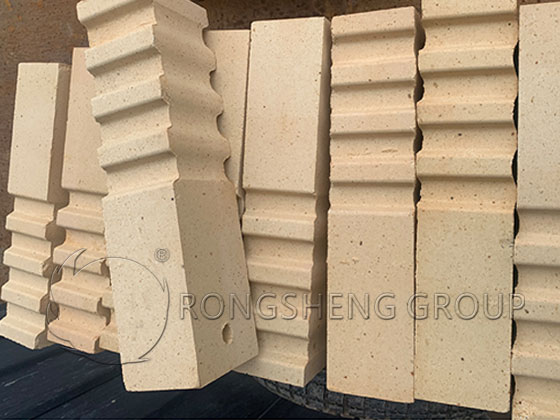
High corrosion-resistant refractory bricks are selected primarily based on the type of corrosive media (acidic, alkaline, alkali metals, high-temperature flue gas, etc.) and operating conditions (temperature, erosion intensity). Below are the material classifications, performance characteristics, and applicable scenarios for several types of high corrosion-resistant refractory bricks:
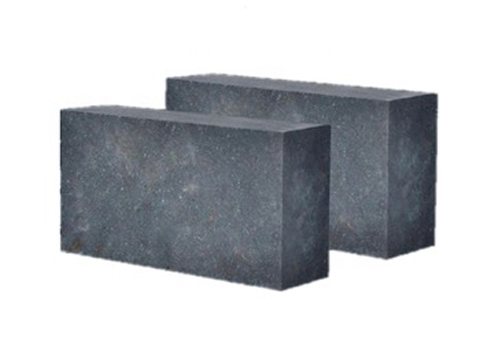
Corrosion resistance characteristics: Extremely strong resistance to chemical erosion, capable of resisting corrosion from both acidic and alkaline media, and exhibiting excellent resistance to high-temperature flue gas erosion and abrasion resistance.
Silicon Carbide Bricks from Rongsheng Refractory Factory
Applicable scenarios: Metallurgical industry (blast furnace belly, furnace waist, electrolytic cells, resisting high-temperature molten iron, slag, and strong alkali erosion), chemical industry (gasifiers, coking furnaces, resisting acidic/alkaline high-temperature flue gas), environmental protection industry (incinerators, resisting complex acid and alkali residues).
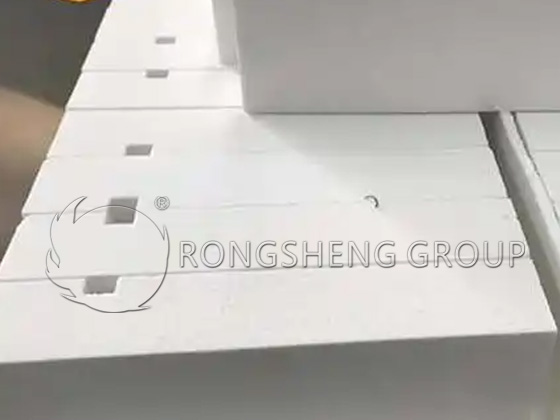
Chrome Corundum Bricks
Corrosion Resistance: Excellent resistance to alkalis, sulfur, and vanadium. Chromium oxide forms a dense spinel structure at high temperatures, effectively blocking the chemical penetration of alkalis, sulfur, and vanadium. Its corrosion resistance is 2-3 times that of ordinary high-alumina bricks.
Applications: Glass industry (heat regenerators, resisting alkali vapor and vanadium corrosion), steel industry (molten iron pretreatment, resisting high-alkalinity slag), chemical industry (gasifiers, resisting high-pressure, high-temperature, sulfur-containing environments), hazardous waste treatment (resisting complex acid, alkali, and heavy metal corrosion).
Corundum Mullite Bricks
Corrosion Resistance: Good chemical stability, exhibiting excellent stability in both acidic and alkaline environments. It can withstand the erosion of corrosive gases, liquids, or solids, and has good creep resistance. Its structure is stable at high temperatures.
Corrosion Resistance Characteristics: Resistant to acid and alkali corrosion, dense structure, low porosity, effectively resisting the erosion of molten materials and acidic gases in kilns, reducing brick spalling and cracking.
Suitable Scenarios: Kilns in industries such as steel, cement, glass, and ceramics (e.g., cement rotary kiln firing zone, glass kiln regenerator), suitable for high-temperature, high-erosion, and high-impact conditions.
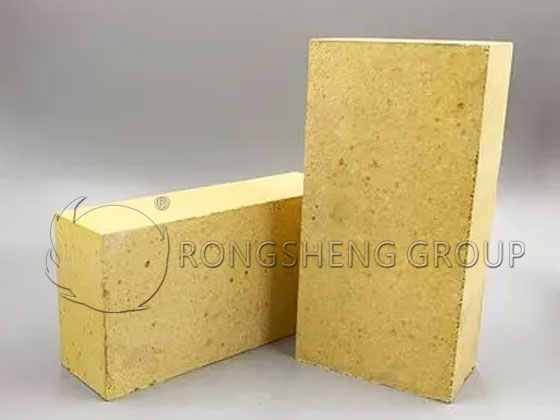
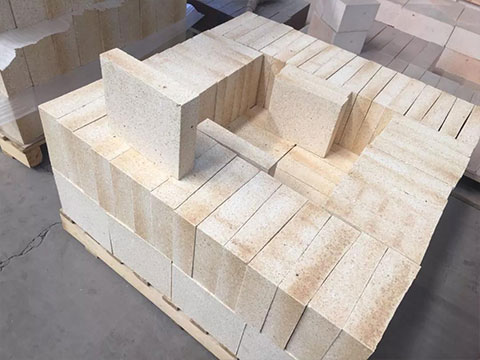
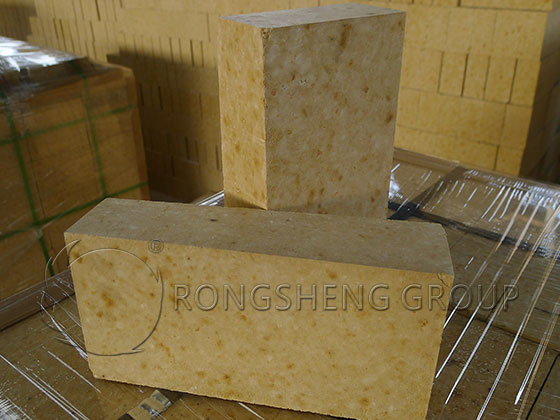
High-alumina refractory bricks (ZL-88 type) are resistant to high temperatures and corrosion, suitable for the core operating conditions of kilns in various industries.
Core Advantages: Three Key Breakthroughs Addressing Industry Pain Points
Superior High-Temperature Resistance: Made with high-quality high-alumina bauxite raw materials, with an alumina content of over 88%, the operating temperature can reach 1750℃, far exceeding the industry standard of 85% alumina content products. They are less prone to softening and deformation under the high temperatures of kiln firing, extending their service life by more than 35% compared to similar products.
Outstanding Corrosion Resistance: Through a specially optimized formula, they effectively resist the corrosion of molten materials and acidic gases inside the kiln, reducing brick spalling and cracking. They are particularly suitable for kilns with complex operating conditions, reducing maintenance frequency by 40% and saving on later operation and maintenance costs.
Dense Structure and High Strength: Utilizing advanced molding technology and high-temperature sintering, the bricks have high density, low porosity, and a compressive strength exceeding 100MPa. They are not easily damaged during construction and exhibit strong overall stability after molding, capable of withstanding mechanical impacts during kiln operation.
High-Alumina Refractory Brick Core Specifications
Standard Size: 230×114×65mm (Custom sizes and shapes are available to suit special kiln structures).
Alumina Content: ≥88%.
Refractoriness: ≥1750℃.
Compressive Strength: ≥100MPa.
Porosity: ≤18%.
Thermal Shock Stability (1100℃ water cooling): ≥15 cycles.
Application Scenarios of High-Alumina Refractory Bricks
Suitable for core components of kilns in various industries such as steel, cement, glass, and ceramics, especially suitable for high-temperature, high-erosion, and high-impact conditions such as cement rotary kiln firing zones, steel blast furnace hot blast stoves, glass kiln regenerators, and ceramic kiln firing zones. The formula can also be fine-tuned to suit specific industry kiln requirements.
Corrosion Resistance Characteristics: 2-3 times the corrosion resistance of ordinary phosphate bricks, excellent chemical stability and durability, resisting both abrasion and erosion simultaneously.
Suitable Scenarios: High-temperature and high-erosion conditions such as zinc volatilization rotary kiln firing zone and lime rotary kiln firing zone.
Selection Recommendations for High-Corrosion-Resistant Refractory Bricks
Selection should be based on the specific corrosive media (such as strong alkalis, strong acids, and high-temperature sulfides) and temperature. For example, chrome corundum bricks are preferred for strongly alkaline environments, silicon carbide bricks are preferred for strongly acidic environments, and either chrome corundum bricks or silicon carbide bricks are preferred for complex composite corrosive environments.