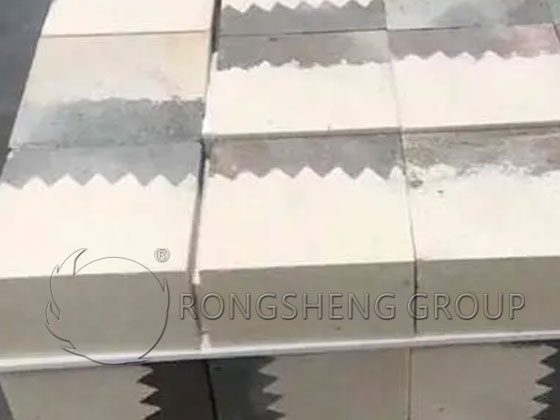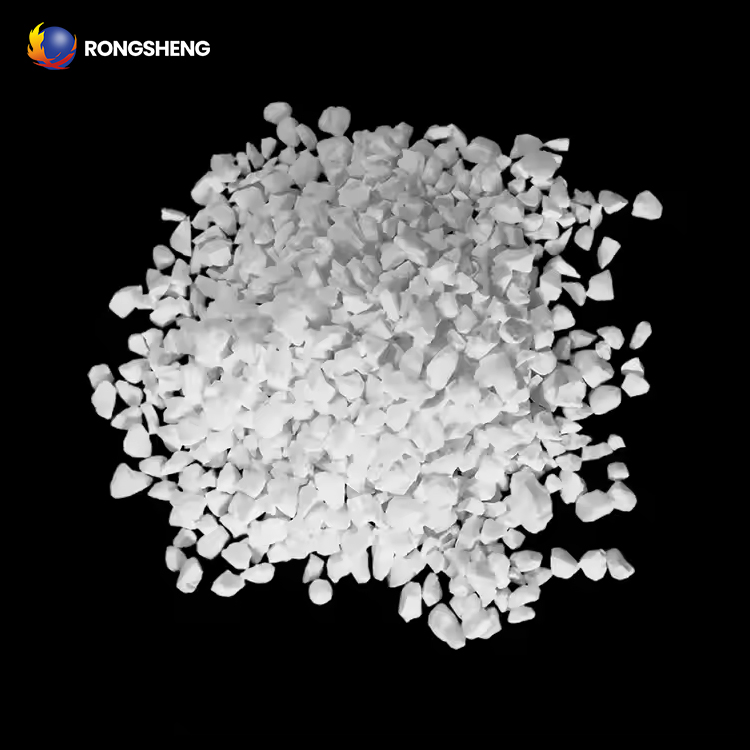
Steel fiber castable is a type of reinforced refractory castable. It is primarily manufactured using super-grade bauxite clinker as the aggregate, high-quality bauxite clinker and fine corundum powder as the matrix, and various composite materials—including ultrafine powders—as binders and additives, with the further addition of heat-resistant stainless steel fibers to provide reinforcement.
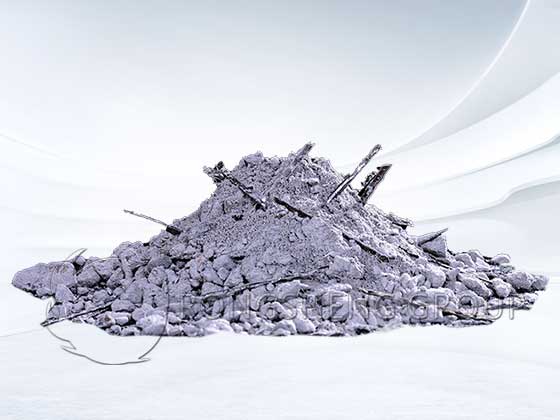
The Role of Steel Fibers in Steel Fiber-Reinforced Castables
The incorporation of steel fibers into high-alumina castables serves to enhance the overall toughness of the refractory material while simultaneously improving its resistance to impact and abrasion. Furthermore, the addition of steel fibers boosts thermal shock resistance, strengthens the material’s ability to withstand cracking and spalling, and inhibits shrinkage during the curing, drying, and heat treatment stages. However, simply adding more steel fibers is not necessarily beneficial; an excessive amount can lead to an increase in the refractory castable’s bulk density and a reduction in its compressive strength. This, in turn, can result in increased expansion and oxygen content, thereby diminishing erosion resistance and compromising the overall service performance of the castable.
Consequently, precise control over the quantity of added steel fibers is of paramount importance. Generally, it is recommended to maintain the steel fiber content within a volumetric ratio range of 0.6% to 2.5% in order to preserve the high-quality performance characteristics of the refractory castable. By accurately regulating the addition rate, one can fully leverage the advantages of steel fibers, thereby enhancing the overall performance and extending the service life of the refractory material, while also ensuring its stability and reliability within high-temperature environments.
The foregoing provides an overview of steel fiber-reinforced castables, including the appropriate dosage and functional role of the steel fibers. The utilization of steel fiber-reinforced castables results in a marked improvement in both the abrasion resistance and impact resistance of the cast sections within high-temperature kilns and furnaces. Therefore, during practical application, these materials are typically deployed in areas—such as the outlets, roofs, and side walls of boilers and furnace chambers—that are frequently subjected to friction and impact from raw materials, thereby effectively extending the service life of these critical components.
Production Process for Steel Fiber-Reinforced Refractory Castables
Steel fiber-reinforced refractory castable is a hydraulically bonded refractory material formulated using high-alumina clinker as both aggregate and fine powder, combined with a binder, and supplemented with appropriate amounts of heat-resistant stainless steel fibers and chemical additives. It is characterized by high strength, excellent high-temperature resistance, erosion resistance, thermal shock resistance, and abrasion resistance. This material is primarily utilized in the metallurgy and building materials industries, as well as in the high-temperature, high-wear zones of circulating fluidized bed boilers. The product is available in two variants: those containing standard stainless steel fibers and those containing nickel-plated stainless steel fibers. Among these, the refractory castable reinforced with nickel-plated stainless steel fibers offers superior high-temperature endurance and resistance to oxidation.
What Type of Refractory Castable Should Be Used for Tilting Furnace Doors?
The door of a tilting furnace is a critical, high-wear component of the furnace body. This area is subject to complex operating conditions involving high temperatures, frequent thermal shock, and slag erosion; furthermore, it is subjected to structural stresses resulting from the furnace’s tilting operations. Consequently, the selection of refractory castables for this application must prioritize resistance to high temperatures, thermal shock, chemical erosion, and mechanical abrasion.
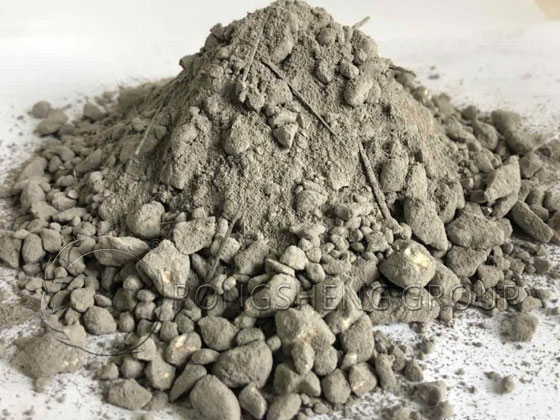
Based on the specific operating conditions and practical application requirements, the chosen castable must demonstrate exceptional durability. Steel-fiber-reinforced corundum-silicon carbide castable is an ideal choice; it is formulated using high-purity corundum as the aggregate, combined with fine silicon carbide powder, stainless steel fibers, and specialized composite additives. This composition effectively withstands the abrupt temperature fluctuations caused by the frequent opening, closing, and tilting operations of the furnace door. Moreover, this castable prevents spalling and cracking, while offering robust resistance to slag adhesion, erosion, and mechanical abrasion. It ensures a tight bond with the steel structure of the furnace door, thereby effectively minimizing issues related to material leakage through gaps and slag penetration.
Alternatively, steel-fiber-reinforced high-alumina castable presents a relatively lower-cost option. For operating environments where the furnace door experiences moderate working temperatures, less severe abrasion, and milder slag erosion, steel-fiber-reinforced high-alumina castable is a suitable choice. This material offers a moderate cost profile, striking a balance between durability and economic efficiency.
A third option is the fast-drying, explosion-proof corundum self-flowing castable. This material is specifically designed for scenarios involving confined spaces within the furnace door structure where mechanical vibration for compaction is impractical. It is particularly well-suited for emergency repairs involving sudden damage. This castable requires no mechanical vibration; instead, it relies on its inherent fluidity to fill and form the required shape, making it ideal for the dense casting of complex structures. Furthermore, it possesses rapid-drying and early-strength development characteristics, allowing for the completion of curing and subsequent ramp-up to operational temperatures within just 24 hours—thereby significantly reducing the downtime required for emergency repairs.
The core principle in selecting castables for tilting furnace doors is to ensure a rational and appropriate match with the specific operating conditions. Thanks to its superior resistance to high temperatures, chemical erosion, abrasion, and thermal shock, steel-fiber-reinforced corundum-silicon carbide castable remains the preferred choice for the vast majority of tilting furnace door applications. Steel-fiber-reinforced high-alumina castable serves as an economical alternative for applications involving moderate-temperature operating conditions. The fast-setting, explosion-proof corundum self-leveling castable is utilized for emergency repair construction.