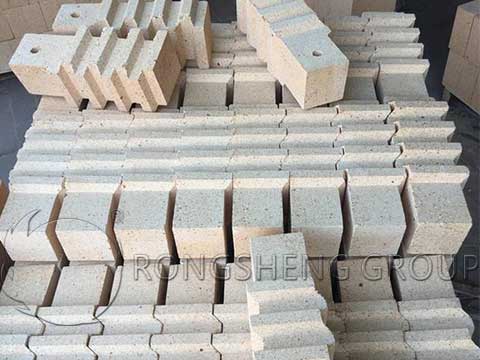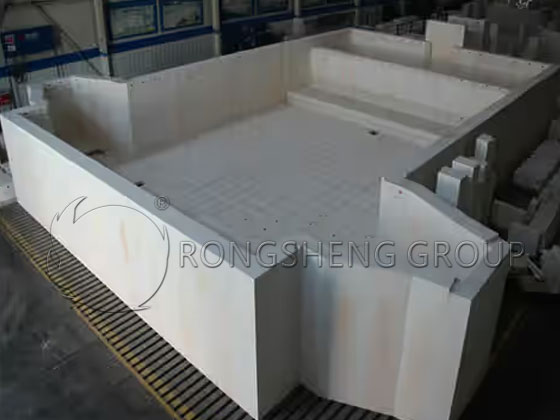
Refractory materials play a pivotal role in the field of ceramic kilns. Among these, specialized mullite bricks, high-alumina bricks, fireclay bricks, and high-alumina lightweight bricks stand out as star products.
Mullite Bricks
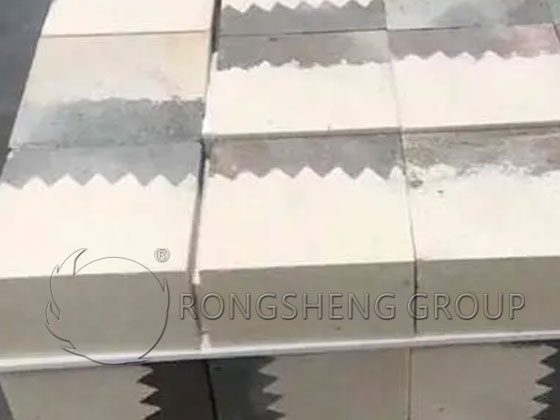
Mullite bricks designed for ceramic sintering kilns are a widely used refractory material. Their primary crystalline phase is mullite, with an alumina content ranging from 65% to 75%. These bricks possess exceptionally high refractoriness—exceeding 1790°C—and exhibit a load-softening initial temperature between 1600°C and 1700°C. Furthermore, they boast a cold crushing strength of 70–260 MPa and excellent thermal shock resistance. Whether facing the extreme high-temperature demands of a ceramic sintering kiln or navigating complex thermal environments, these bricks perform with composure, providing a stable foundation for the ceramic firing process. During sintering, mullite bricks withstand intense heat without softening or deforming, thereby ensuring the structural integrity of the kiln. This allows ceramic products to be fired within a uniform and stable temperature field, ultimately enhancing both the quality and yield of the finished ceramics.
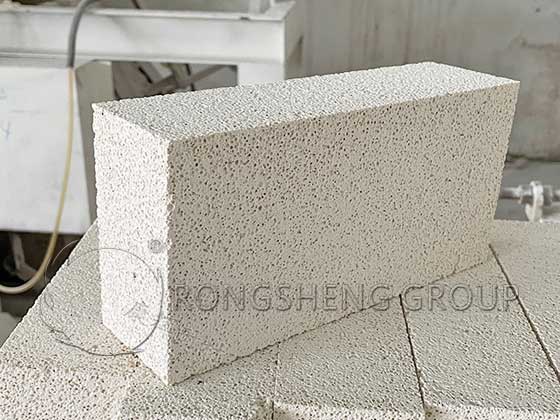
Key Characteristics of Mullite Bricks
- High Refractoriness: Capable of withstanding temperatures exceeding 1800°C; certain high-purity mullite bricks remain stable even at 1810°C, making them ideally suited for the high-temperature environments found in ceramic sintering kilns.
- Excellent Thermal Shock Resistance: Able to withstand the thermal shocks caused by repeated heating and cooling cycles within the kiln without easily cracking or spalling, thereby ensuring the kiln’s long-term, stable operation.
- Low Thermal Conductivity: Possess low thermal conductivity, effectively minimizing heat loss, reducing energy consumption, and improving the kiln’s overall thermal efficiency.
- High Mechanical Strength: Exhibit a cold crushing strength ranging from tens to hundreds of MPa; they maintain their structural integrity and strength even at high temperatures, enabling them to support the weight of kiln materials and withstand mechanical stresses.
- Corrosion Resistance: Demonstrate strong resistance against ceramic raw materials, molten slag, and kiln gases; their excellent chemical stability helps extend the service life of the kiln.
Common Types and Applications of Mullite Bricks
- Sintered Mullite Bricks: Produced by sintering high-alumina bauxite clinker at high temperatures; characterized by a fine-grained structure and high strength. They are suitable for critical sections of ceramic sintering kilns, such as the firing zone and transition zone.
- Fused Mullite Bricks: Manufactured using an electro-fusion process; these bricks offer superior volume stability at high temperatures and even greater thermal shock resistance. They are ideal for ceramic sintering kilns that demand exceptionally high temperature stability.
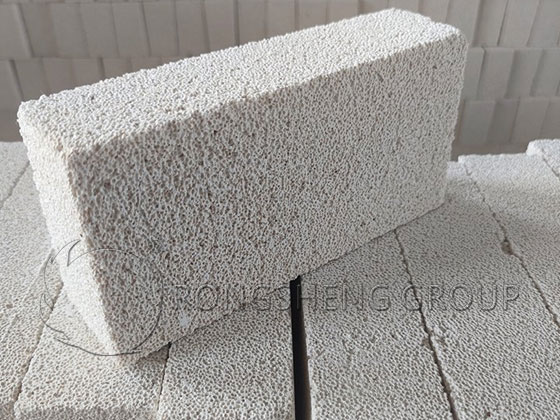
- Mullite Lightweight Bricks: Utilizing lightweight hollow sphere aggregates, these bricks are characterized by their low density and exceptional thermal insulation properties. They are frequently employed in the insulation layers of kilns or in kiln sections where weight sensitivity is a critical factor.
How to Select the Appropriate Mullite Bricks for Ceramic Sintering Kilns
Select the appropriate grade of brick based on the specific operating parameters of the ceramic sintering kiln—such as temperature, atmospheric conditions, and pressure. For instance, grades such as M75 and M70 correspond to varying alumina contents and performance characteristics.
If the kiln is subject to frequent start-ups and shutdowns or experiences rapid and drastic temperature fluctuations, priority should be given to electro-fused mullite bricks or mullite-cordierite composite bricks, which offer superior thermal shock resistance.
For kilns with stringent thermal insulation requirements, mullite lightweight bricks or standard lightweight mullite bricks may be selected to effectively reduce energy consumption.
Mullite bricks are widely utilized in ceramic sintering kilns; they effectively enhance kiln performance, reduce energy consumption, and extend operational lifespan, making them the ideal choice of refractory material for high-temperature kilns within the ceramics industry.
High-Alumina Bricks
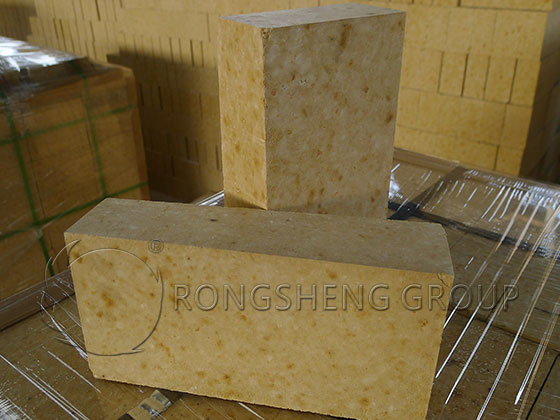
High-alumina bricks typically refer to refractory bricks with an Al₂O₃ content exceeding 48%. They are primarily manufactured using high-grade natural bauxite clinker as the raw material, with soft or semi-soft clay added as a binder, followed by the processes of molding, drying, and firing. Classified into various grades based on their alumina content, “Super-Grade” high-alumina bricks contain over 80% alumina, while “First-Grade” high-alumina bricks typically range between 75% and 80%. High-alumina bricks possess a high refractoriness—generally reaching up to 1790°C—and exhibit excellent resistance to heat, abrasion, and corrosion. In ceramic kilns, they are utilized to construct components such as kiln walls and roofs, effectively withstanding the scouring and erosion caused by high-temperature flames and thereby extending the service life of the kiln. For instance, in large-scale ceramic roller kilns, high-alumina bricks serve as the inner lining for the kiln walls; capable of enduring prolonged exposure to high temperatures and frequent thermal fluctuations, they ensure the kiln’s smooth operation and help reduce maintenance costs.
Clay Bricks
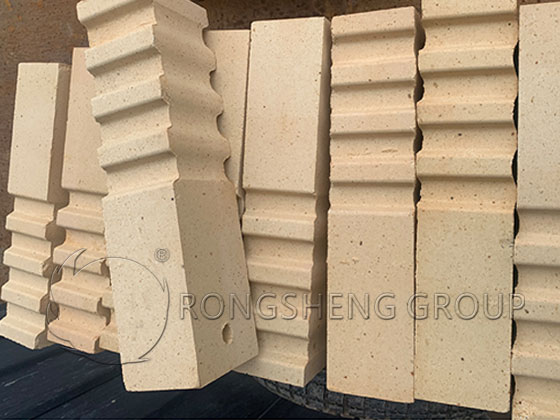
Clay bricks are produced through a combination of traditional craftsmanship and modern technology, offering excellent cost-effectiveness. They feature a sturdy and durable texture, capable of withstanding moderately high temperatures. Although their refractoriness is slightly lower than that of high-alumina or mullite bricks, clay bricks play a vital role in specific sections of ceramic kilns where temperature requirements are not particularly extreme—such as the preheating zone—thanks to their cost advantages and stable performance. They provide the kiln with essential thermal insulation and structural support, thereby ensuring the safety and stability of the kiln during operation.
High-Alumina Lightweight Insulating Bricks
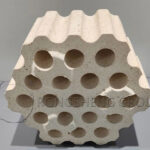
High-alumina lightweight insulating bricks belong to the lightweight thermal insulation product series; characterized by their low thermal conductivity and low heat capacity, they demonstrate exceptional performance in energy conservation and thermal insulation. Despite their low bulk density, they possess excellent heat-insulating properties, effectively minimizing heat loss from the kiln and reducing energy consumption. The use of high-alumina lightweight insulating bricks in ceramic kilns enables the kiln to reach its target temperature in a shorter timeframe while maintaining temperature stability throughout the firing process. This not only boosts production efficiency but also significantly lowers energy costs, aligning perfectly with contemporary trends toward green, eco-friendly, and energy-efficient industrial development.
Rongsheng Refractory Materials Manufacturer is dedicated to the development of innovative refractory materials that are high-performance, energy-efficient, and environmentally friendly. In terms of quality control, Rongsheng Refractory Factory has established a comprehensive quality management system. From the rigorous screening of raw materials and meticulous oversight during the production process to the multi-stage inspection procedures conducted prior to shipment, every single stage undergoes strict scrutiny. The company is equipped with advanced testing equipment and staffed by professional inspectors, ensuring that every refractory brick meets high-quality standards and thereby earning the trust of customers through stable and reliable product quality.